Photographs of things, made to sell them. Product, food and drink, lit in the studio and delivered in the shapes your channels actually need.
Product
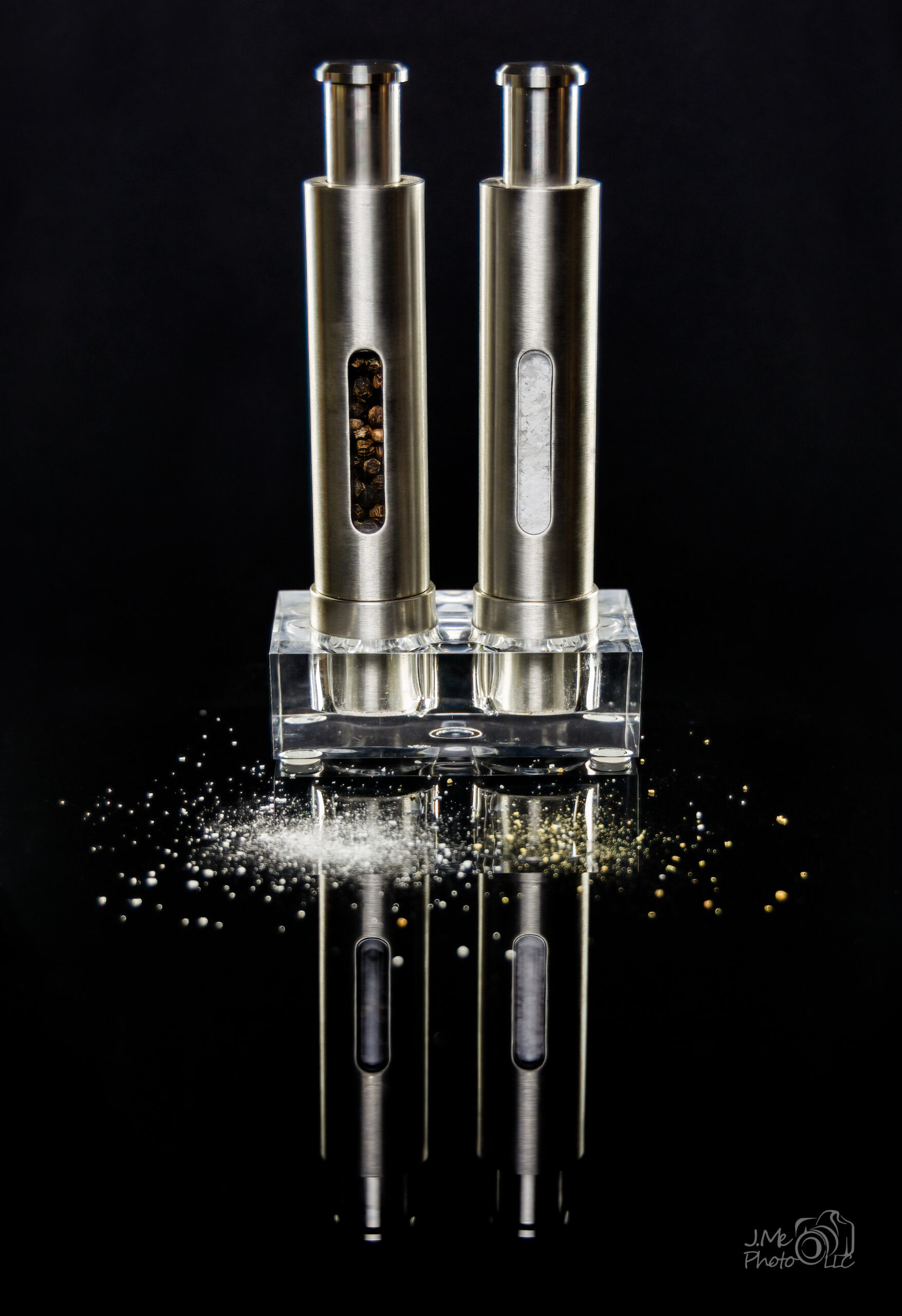
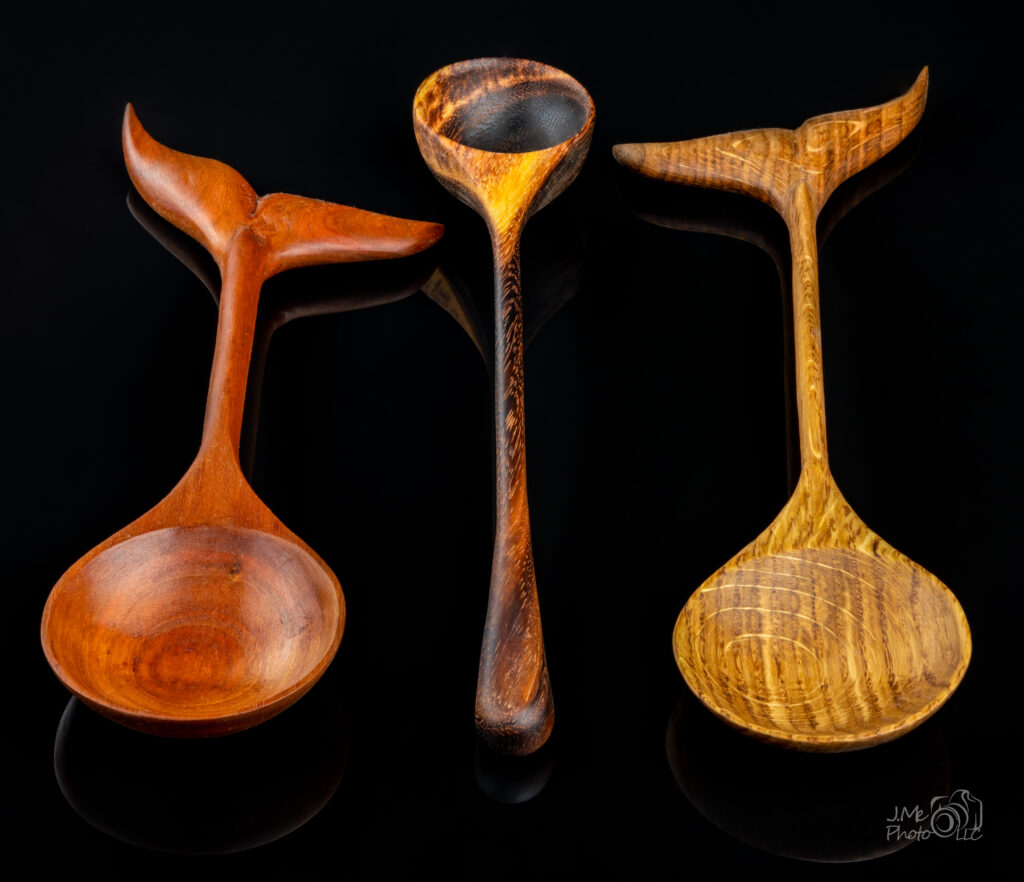
Objects are harder than people. There is no expression to catch, so everything rests on the light — where the highlight runs along an edge, how deep the shadow goes, whether a surface reads as brushed steel or as gray. That work happens before the shutter, and it is most of the job.
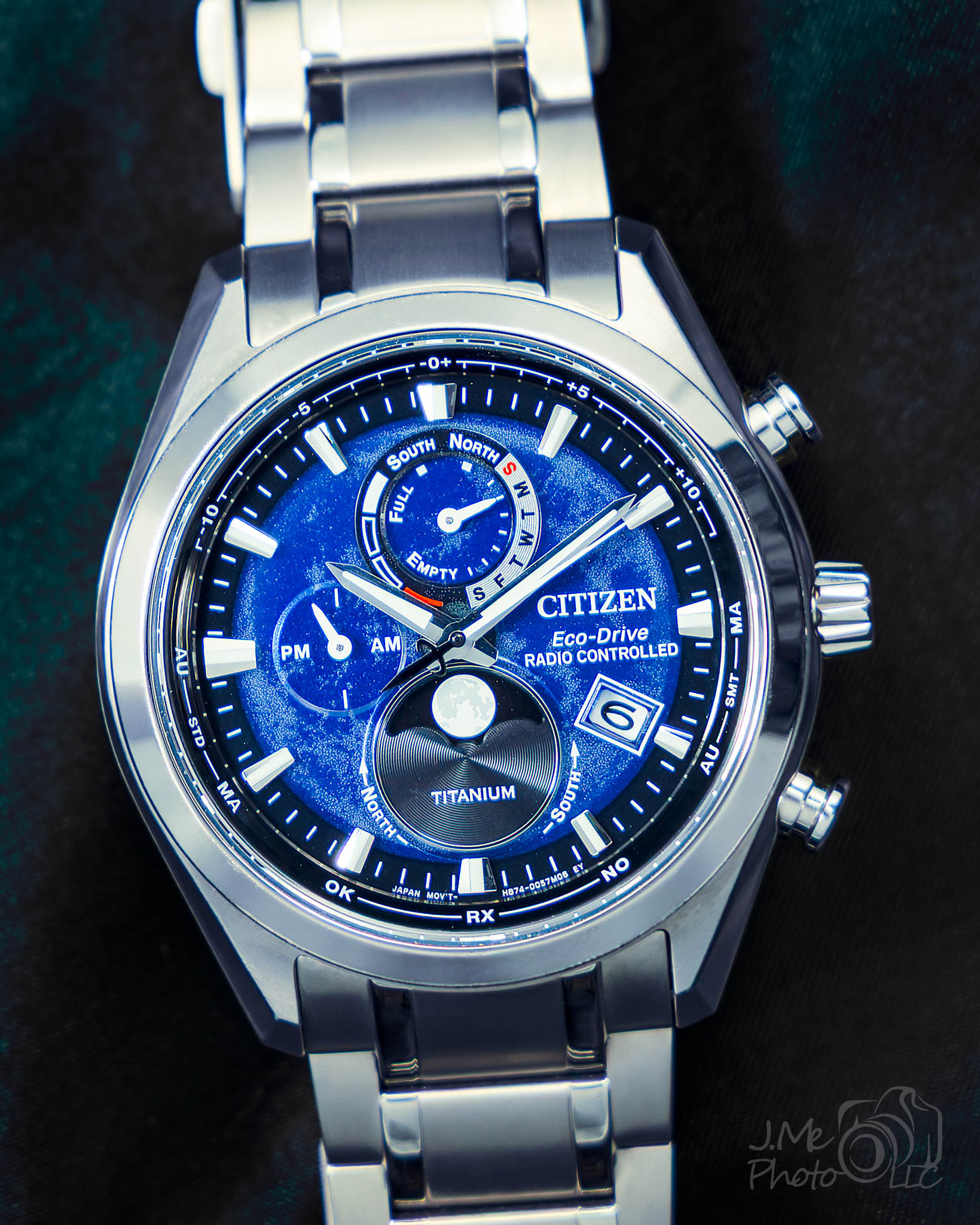
Food and drink
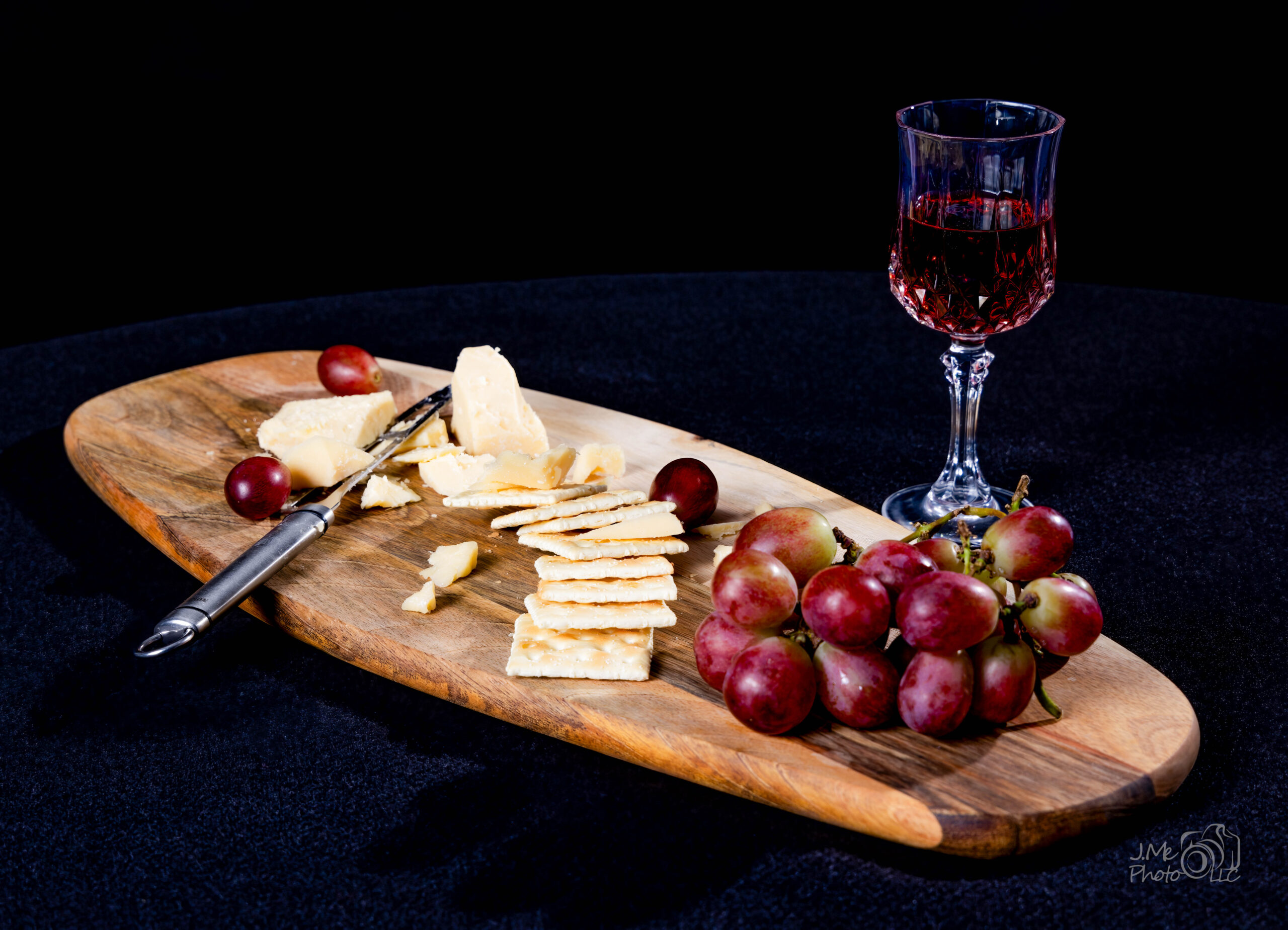
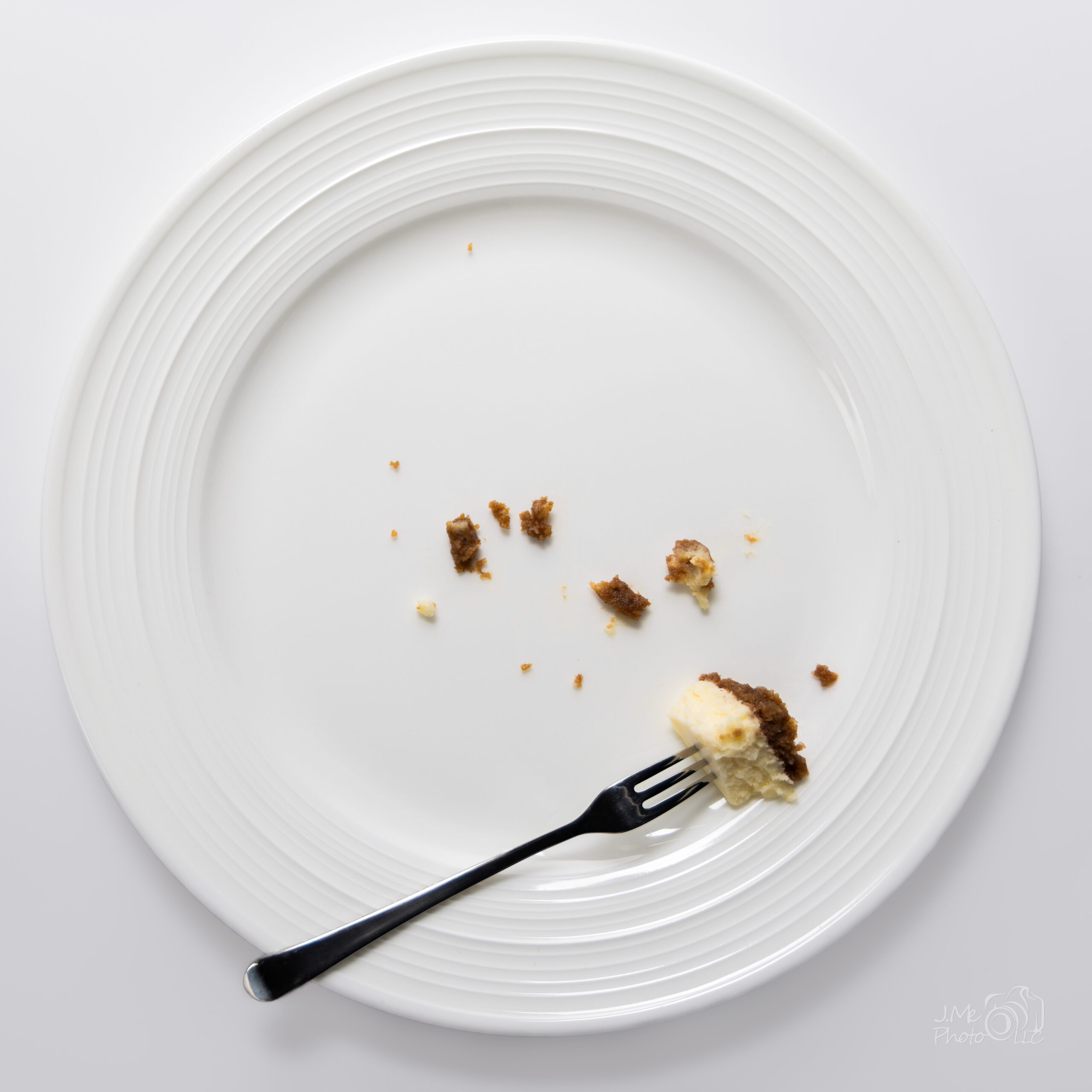
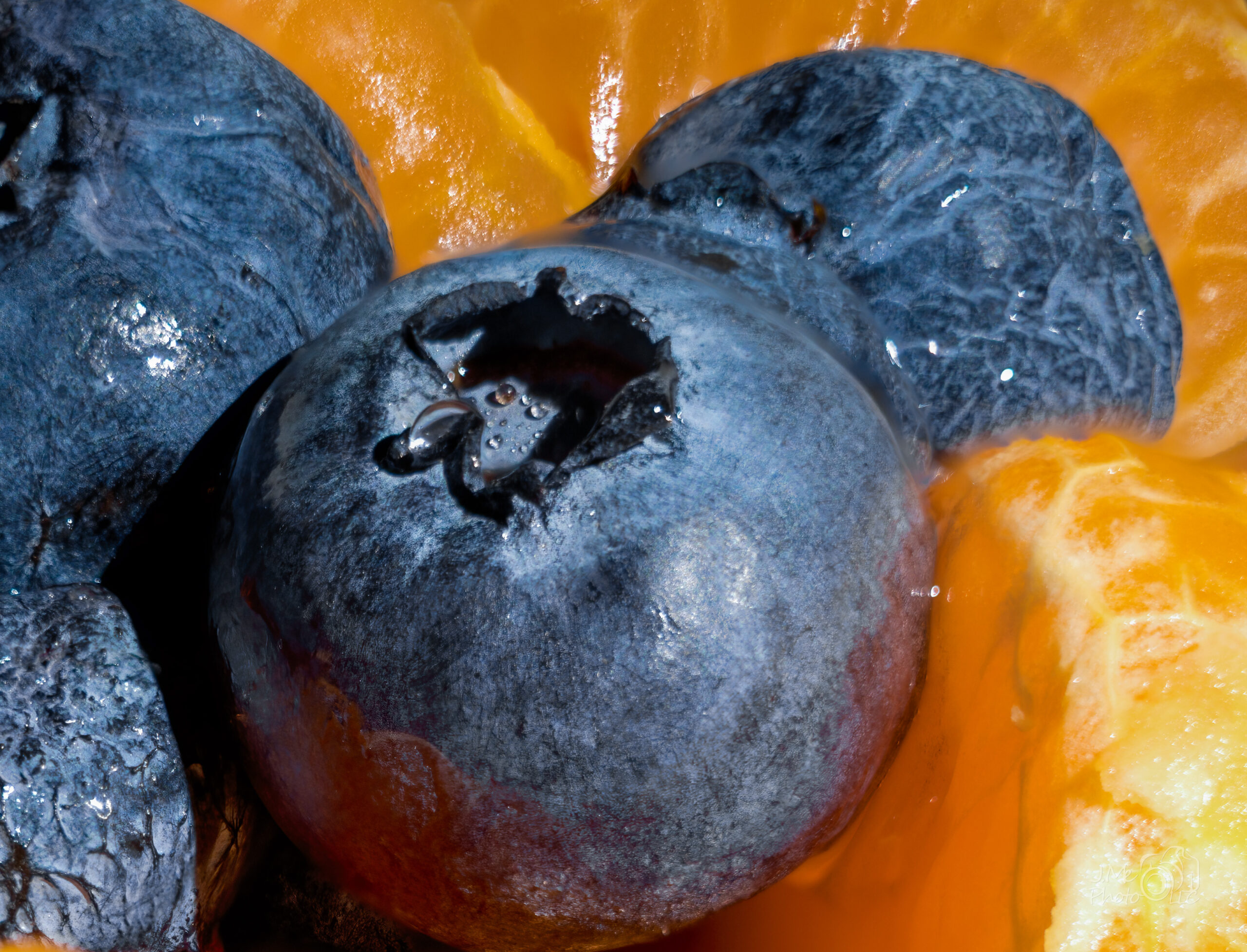
Menus, websites, and the photograph a delivery app is going to crop to a square whether you like it or not. Styled and shot in the studio, or on site when the kitchen needs to plate it fresh.
When it cannot be photographed
Sometimes there is nothing to put in front of a lens. The product does not exist yet, the only sample is three states away, or the angle you need is one no camera can occupy.
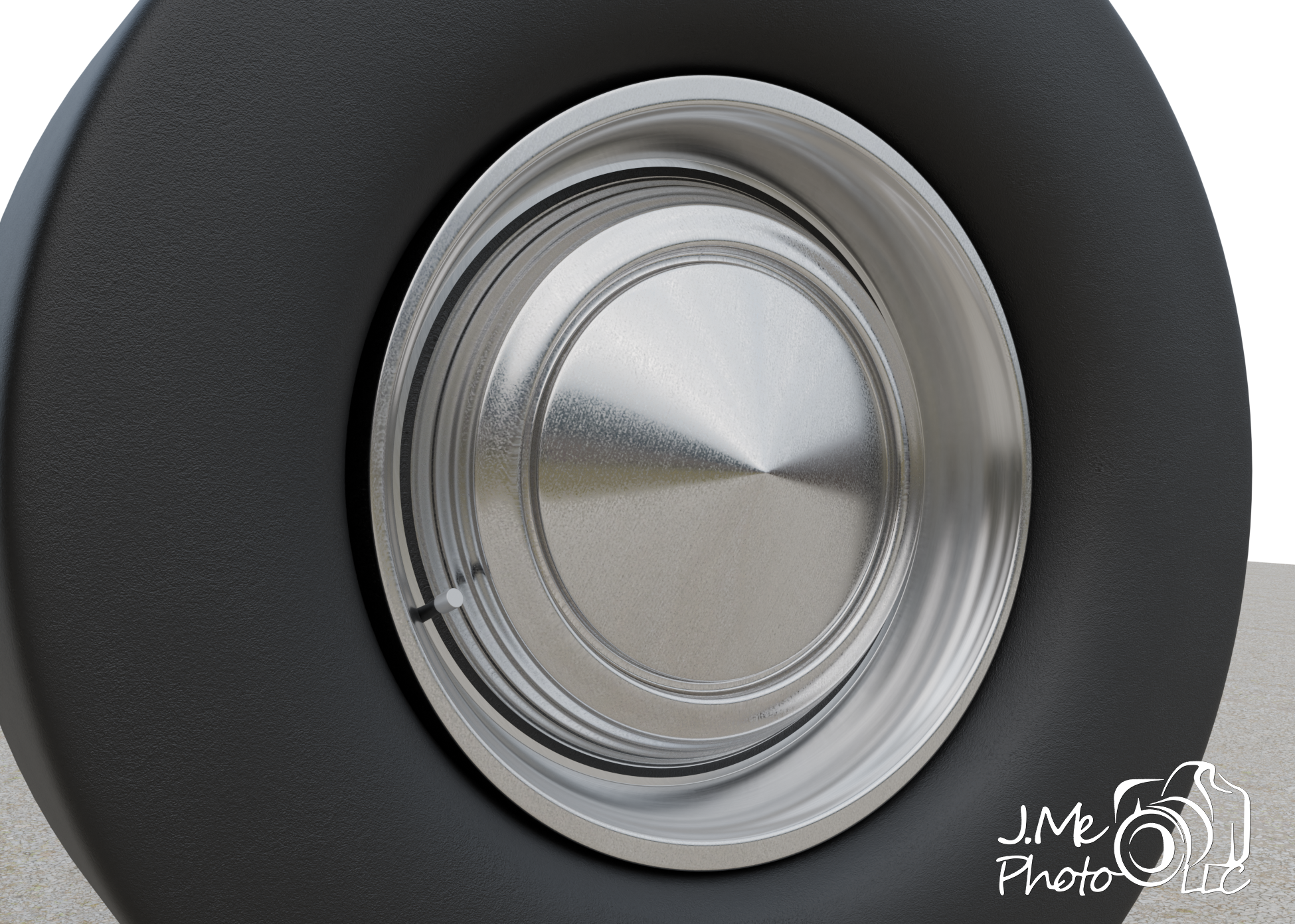
This wheel hub was never photographed. A customer brought me a stained, low-resolution print of the 1971 Mercury Cyclone he had owned as a young man, and the hubcap in it was past recovering — so I built one. Modeled and rendered in Blender, lit the way I would light the real thing, and set back into the restored photograph.
That capability works forwards as well as backwards: a product shot before the prototype exists, a cutaway nothing had to be cut for, or a catalog lit identically end to end without the objects ever being in the same room.
What it costs
Commercial work is quoted against the job rather than sold off a list. A single hero shot for a launch and a forty-item catalog are different problems, and pricing them the same would mean overcharging one of you.
Tell me what the items are, how many, and where the pictures need to end up. You get a fixed number back — not a day rate that moves once we start.
Tell me what you are selling
Send a few photographs of the item — even phone snaps — and roughly where the pictures need to end up. I reply within one working day.